

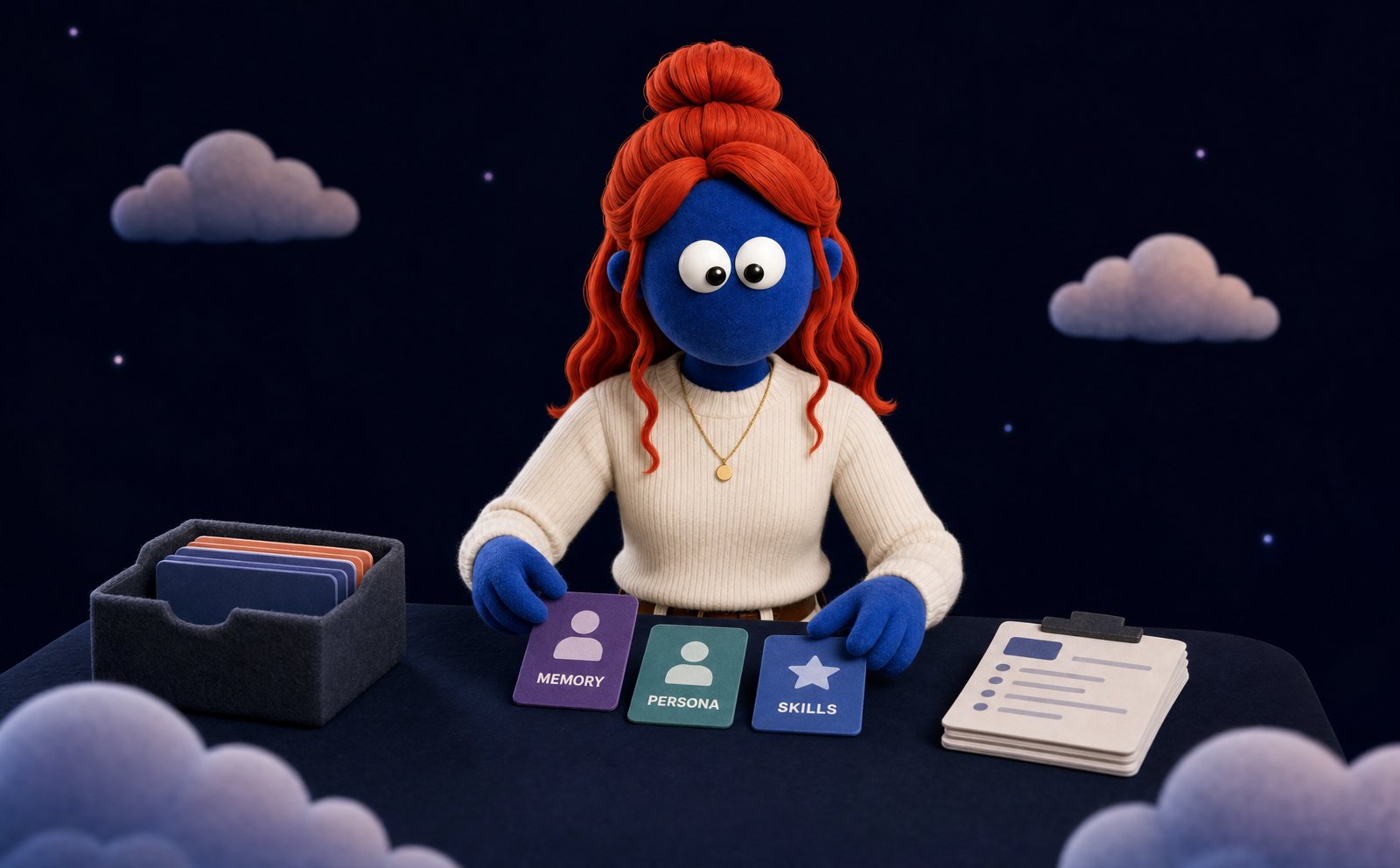
Agent-level, not per-person
Memory is shared across every conversation an agent has. When one teammate teaches it something, everyone who talks to it next gets that knowledge. The agent organizes what it knows by subject: a person, a project, a piece of general feedback, an external system.Memory is shared knowledge, like a team wiki the agent maintains for itself. Because anyone with access to the agent benefits from it, treat it as a shared space, not somewhere to store sensitive personal disclosures or secrets.
What agents remember
- About people: your preferences, role, working style, and recurring needs.
- About projects: context, decisions, status, and the things that matter to a body of work.
- General feedback: lessons and corrections not tied to one person.
- Reference: how external systems, dashboards, and accounts are set up.
How memories form
You don’t manage memory by hand. The agent writes to it as it works. When you state a durable preference, correct it, or establish a fact it will need again, it remembers:Recalling memory
At the start of each conversation, the agent has an index of what it knows. It pulls in the relevant pieces as needed. You can also ask it directly:Correcting or forgetting
Memory is editable. Tell the agent to update or drop something and it will:Across channels
Memory follows the agent, not the channel. Teach it something in Slack and it remembers in web chat and email too. It is one agent with one memory, wherever you reach it.Each conversation runs in its own sandbox with its own snapshot of memory taken when it started. A fact taught in another conversation becomes visible to an in-progress one once it refreshes, which the agent can do on demand when it matters.
Set deliberate behavior with a persona
Memory is what the agent learns; the persona is how you tell it to behave.
Explore memory files directly
Memory lives in the agent’s git repository. Clone it to read, edit, or delete what it knows.